
Finish Your Essay Fast with Simple Tips

Let’s be honest for a second. No matter what we think about our organizing skills, there is always that one day when an essay deadline sneaks up like a surprise, uninvited guest. You sit there, looking at your screen, with a fast heartbeat, thinking, how on earth has the time moved so quickly? Maybe you planned to write it yesterday, or last night, or during that “productive hour” you promised yourself after lunch. But here you are, trying to figure out how to write something readable when the clock is basically sprinting.
It’s funny how everything suddenly becomes fascinating when an essay is due. That tiny scratch on the table. The blinking cursor. Even the way your chair squeaks when you move. Your brain starts offering the most dramatic thoughts like, “Maybe I’m not meant for this,” or “What if I just don’t submit anything?” And then reality snaps back and reminds you that you actually have to write something.
But here’s the good part that writing an essay quickly doesn’t have to feel like a disaster movie. You don’t need fancy words or some magical burst of inspiration. You need a clear, simple plan that doesn’t drain your brain. In this blog, we will make things simple and doable. So let’s get started without waiting any further.
When the Clock Is Ticking Fast, and You Still Have To Write
Time runs really fast sometimes, and in no time, the deadline feels like it is on your shoulder, breathing down your neck. It happens to almost everyone. Before jumping into the “how,” just remind yourself that you can still get this done. You need a calm moment, a small plan, and a little push to get moving again.
How to Stay Calm and Write Fast
First, let’s take a tiny pause without making anything feel dramatic. Take a deep breath so that your mind stops spinning like a fan, even when others are googling essay writing service UK in panic. When the deadline is near, panic usually hits first, and that panic makes things more complicated.
The truth is, you don’t need everything perfect in your essay in one go. You need a simple start, a small idea, and something you can shape as you go. Most people get stuck because they want the first line to be brilliant, but honestly, humans don’t write like that. We start messy and fix things later.
Try this: look at your essay topic and talk to yourself in normal words. Like you’re explaining it to a friend who is half-asleep and scrolling their phone. That simple, blurry explanation is enough to get your brain moving. That’s your starting point.
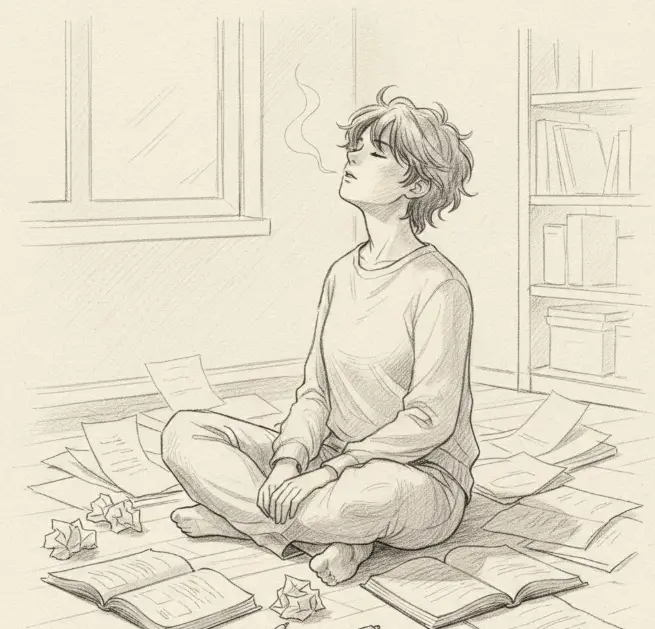
Quick Start vs. Stuck Mode
| What You Do | How It Helps |
| Explain the topic in simple words | Clears your mind |
| Write one messy line | Breaks the blank-page stress |
| Use a small 10-minute timer | Gives you gentle pressure |
| Ignore grammar for now | Saves time and energy |
Ideas First, Fix Them Later
When you are in a hurry and trying to make everything flawless, it is the quickest way to slow yourself down. You don’t need to be perfect in the beginning. All you need are a few things on the page. Consider it like emptying your backpack after a long day. You are not organizing anything, all you are doing is taking things out so you can see what is already there.
Write everything that comes to your mind, even if it sounds weird, unfinished, or even if you think, “Ugh, this makes no sense.” It’s fine because you’ll fix it later. Right now, we want your brain to stop feeling stuck.
Your job in this moment is simple: just put down words, any words.
Why Tiny Steps Make Everything Easier
At times, big tasks feel scary, but small steps feel safe. That’s why breaking an essay into tinier pieces helps so much. Still, you have the option of looking for professional help, like Assignment Ace, to get expert advice for your assignment.
Think of your essay as following a little checklist and nothing fancy, nothing stressful. Just split your essay into three small parts:
● a beginning
● a middle
● an ending
Write a simple line for each Part. Don’t worry if it sounds too basic. Don’t worry if it’s not perfect. You are giving yourself a little way to follow, so you don’t have to feel lost anymore.
It’s like telling yourself, “It’s okay, I know where I am going now.”
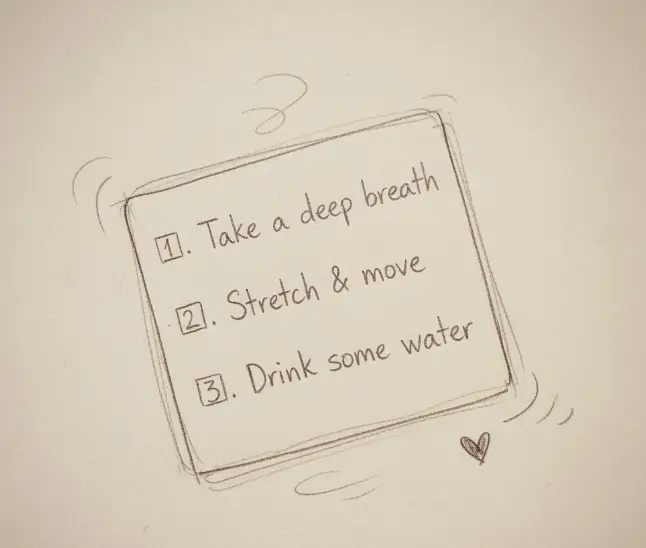
Tips for Writing a Quick Draft
Consider this scenario where you are sitting on the floor with papers everywhere, and you are like, “I don’t even know what I have written.” And this is fine. Most people feel like that when they’re rushing.
So here’s what you do next:
Don’t clean everything up. Just look at your notes like you’re looking at a bunch of puzzle pieces.
Some pieces look weird, some look useful, and a few don’t even belong there. But they’re all yours.
Pick the pieces that make sense and put them in a small line. Not a perfect line, but just a line that feels okay. Something like:
● “This is the point I want to say first.”
● “This part feels like the middle.”
● “This one sounds like the ending.”
That’s it. You’re not editing, not polishing, and just sorting a messy pile so it feels a little less scary.
Tiny Steps Help More Than You Think
Here’s the truth,
Tiny steps always beat big plans when you’re in a rush.
If you try to “write the whole essay,” your brain freezes. But if you tell yourself, “Okay, let me fix just this one small Part,” suddenly everything feels lighter.
Do one tiny task at a time:
● Fix one line.
● Move one sentence.
● Add one example.
That’s it. Just one small thing at a time. Before you even notice, your messy notes quietly turn into a real draft.

Turn Your Mess into a Quick Essay
So now you have your messy notes. Some lines may make sense, some don’t. This is completely fine; you don’t have to panic here.
Next, start connecting the dots. Read one line and ask yourself,
“Does this make sense?”
If it makes sense, leave; if not, move it somewhere else. You don’t have to fix everything at once; do a little at a time. Consider it like cleaning a messy desk because you don’t clean the whole desk in one go. You pick one pile, then another. Slowly, it starts looking better. That’s exactly how your essay works. A little effort and one step at a time.
Quick Way to Write an Argumentative Essay
Keep it simple when you try to write an argumentative essay. Choose one idea that’s your argument. Then add two or three minor points to explain it. If you only have one tiny example, you can add that.
Write clear, understandable, and short sentences. Write like you’re telling a friend what you mean. One paragraph at a time, and by the end, your essay will have shape. It will be readable and done without stressing over perfection.
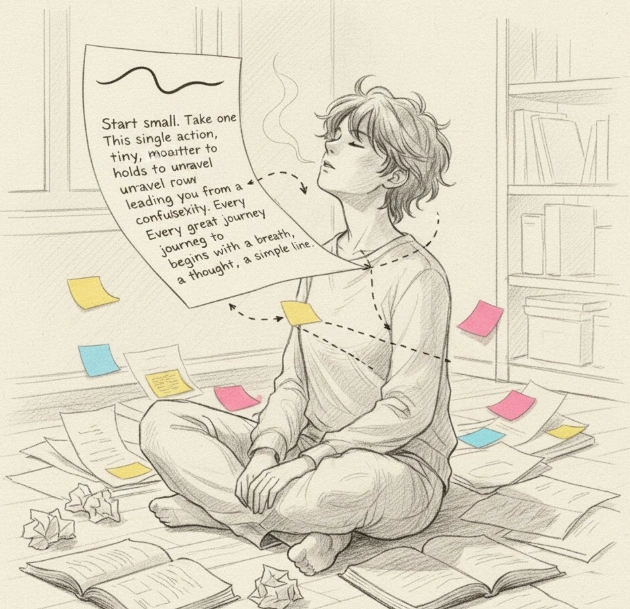
Practical Tips to Finish Your Essay without Freaking Out
Until now, you probably have something that looks like an essay. However, you are not done yet. Here are some quick tips to wrap it all up without losing your brain:
- Keep sentences short
Don’t try to sound smart because simple is fast.
- One idea per paragraph
It makes things easier for you and the reader.
- Don’t stop to fix every word
Fix only after everything is written.
- Use examples you already know
No time to Google too much.
- Set small timers
10-15 minutes per paragraph keeps you moving.
Quick Essay Finish Checklist
| Step | What to Do | Why It Helps |
| 1 | Pick the main idea | Gives direction |
| 2 | Write one paragraph at a time | Makes it manageable |
| 3 | Add 1-2 examples | Supports your points |
| 4 | Ignore grammar at first | Saves time |
| 5 | Quick read at the end | Fix small mistakes fast |
These small steps may seem silly, but they are effective. That makes your essay like a small hill that you can climb and not like a mountain that is difficult to climb.
Wrapping It Up
So, writing an essay fast is messy. It is completely fine. Life is messy, deadlines are messy, and yes, your desk is messy too. But you can still get it done.
You don’t need perfect words. You don’t need fancy sentences. You need to start with one little line and then another. Tiny steps, tiny wins, and before you know it, your essay exists. You wrote it, and you survived.
Sometimes you’ll think, “Wait, did I do this right?” Maybe. Honestly, it doesn’t matter. It is readable, it is yours, and it is done. And this is more than enough. Next time, start earlier, and now you know how to turn panic into action, chaos into words, and a blank page into something tangible.