
How to Manage Academic Pressure in UK Colleges Smartly

Colleges are one step ahead of what most students realise.
They are secretly training you to be a professional plate-spinner; someone who can balance multiple responsibilities without messing anything up.

Psychologists, however, suggest this is humanly impossible because our brains aren’t actually wired for ‘parallel processing.’ We think we are crushing it, but we are usually just jumping between tasks, burning through our focus. The same happens in a UK college!
Students think they can rush to juggle every seminar, social event, and deadline. But they eventually get exhausted. To survive this, you either need to become a productivity robot or learn the tricks of pressure management. So, the question that we are about to answer is –
How to Handle Heavy Workloads in UK Colleges?
For those who have just joined college or at least applied to it, do you know what your future might look like? Here is what we think you would be doing:
- Juggling lectures and homework.
- Constantly chasing missed deadlines.
- Seeing friends out while you are stuck studying.
- Managing a part-time job too, maybe.
This could be you in the next few months if you don’t manage everything wisely. After all, academic pressure in colleges is real and only getting heavier. That is why learning to prioritise tasks, breaking work into smaller goals, and seeking help when needed becomes essential.

Though if you don’t appreciate the role of academic writing services in the UK education system, you might just add to your own problems. All in all, these supporting agencies are there for a reason. If you use them correctly, they can be your best tool for fighting academic stress.
It’s Not Just You!
We can dig right into the solutions at this point, but it is far better to test the waters first. Let us ask you a question: ‘Do you know how it feels to be swamped with so many tasks all at once?’
If yes, then you would also know how overwhelming this can be. Here is a little comforting fact – YOU ARE NOT ALONE IN THIS, and neither is it a personal weakness. It is a systemic pattern across UK higher education. More or less, everyone has been there and dealt with it.
| The 2023 Student Mental Health Study surveyed thousands of students. Results say around 50% of respondents experienced mental health worries daily.Many of them mentioned feelings of being unable to cope with study. 1 in 3 students say academic workload is their biggest source of anxiety. 56% of students say they regularly lose sleep over their studies, and only 37% are able to access any kind of support from their institutions. |
Why UK College Pressure Hits Differently
The data shows a big gap between students who feel stressed and those who actually ask for help. In simple terms, this means not every academic system works the same way.
Colleges in the United Kingdom have their own structure, with strict deadlines, heavy coursework, and added pressure from part-time jobs. Once you understand how all this works, you will find the answer to your biggest question: how to achieve success in your academic life?
1. The Assessment Model
Many learners are not aware that degrees here often rely heavily on final exams or just a few big assignments for most of the grade. In other countries, marks are spread out across the year, but not here. This means that one bad week or one poor result can have a much bigger effect on your overall grade than it would in systems with continuous assessment.
2. The Independence Shift
Next, every time a learner moves from school into college, suddenly it is all on you. You have to manage your own time, stay motivated, and get the work done without teachers checking in every day. That drastic change catches students off guard in their first semester.
3. The Cost Pressure
On top of that, studying isn’t economical. Tuition fees and living costs are high, and many students obviously feel the weight of it. Hence, every grade feels like it matters even more, adding extra pressure to perform well.
Warning Signs of Burnout (Before It Hits Hard)
Always remember that burnout doesn’t arrive overnight. It builds quietly in moments when you tell yourself you are fine. If you want to protect yourself from that, here are some possible signs:
Early Warning Checklist
- Struggling to start a task
- Feeling exhausted all the time
- Skipping meals or eating too much
- Feeling emotionally flat or detached
- Procrastinating on everything
If three or more of these are ticking for you right now, that is your signal. Not to panic. To act.
Solution #1: Time Management
Relax, we are not here to give you the same old cliché advice about managing your time. We are actually about to give you tips on how to do it in everyday life.
· The Weekly Reset
Start by making sure you spend 20 minutes every Sunday mapping the week ahead. This is where you list every deadline, lecture, and commitment. This is crucial because experts agree that students should plan weekly rather than daily. This keeps them away from the stressed and allows them to do more. This simple habit also helps close the Gap Between Academic Qualification and Employer Needs, since employers value strong planning and time-management skills.
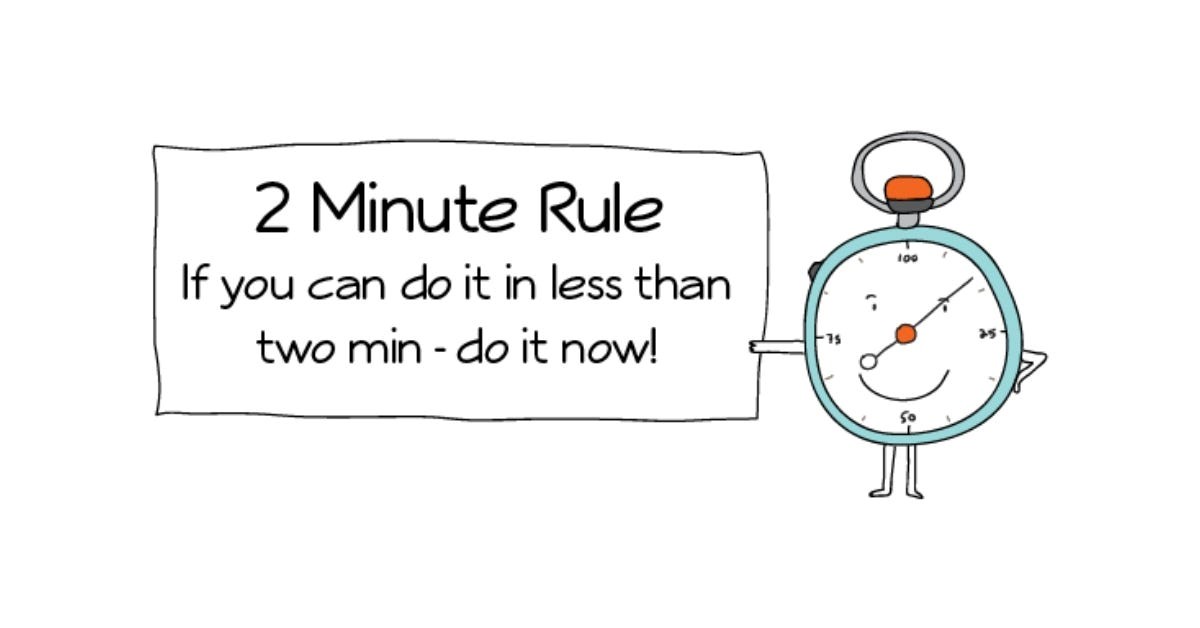
· The Two-Minute Rule
Moving on, if something takes under two minutes, do it immediately. This is important because letting small tasks pile up creates the illusion of an overwhelming workload, even though the reality is manageable. This is a guaranteed trick to put an end to your procrastination.
· Protect Your Non-Negotiables
When was the last time you slept mindfully? Nowhere in the last two weeks, right? This is not good for your body. It needs rest. So, cancel all weekend plans and pick just one social thing each week. Besides that, do some form of physical movement every single day.
Solution #2: Study Smarter
If you are just reading a coursebook, it is not effective studying. Based on a survey of top UK students, here are some useful study techniques that improve knowledge retention.
| Technique | What It Is | Why It Works |
| Active Recall | Testing yourself instead of re-reading | Forces memory retrieval, stronger retention |
| Spaced Repetition | Reviewing material at increasing intervals | Fights the forgetting curve |
| Pomodoro Method | 25 min focused work, 5 min break | Maintains concentration, reduces fatigue |
| The Feynman Technique | Explain a concept in simple words, as if teaching it | Exposes gaps in understanding |
| Past Paper Practice | Working through previous exam questions | Familiarises you with the format and question types |
Solution #3: Cleverly Deal with Deadlines
The most common pressure point in the United Kingdom’s colleges isn’t one hard deadline. It is rather three of them landing in the same week. And on top of that, most students aren’t seeking help from a reliable academic writing service.
Oh, what a heavy, lonely feeling it can be. Sitting at your desk at 2 a.m., knowing you are not the only one struggling, but still trying to carry it all alone.
· Try Breaking It into Daily Tasks
For example, a 2,500-word assignment due on Friday isn’t a single task. It is research on Monday, outline on Tuesday, first draft on Wednesday, and edit on Thursday. Look at it now, all broken down, it comes across as much more manageable.
· Talk to Your Tutors Before It’s Too Late
Yes, very few students know that UK institutions have extension and mitigation policies. Only that they want you to ask before the deadline, not the night it’s due. Tutors respond far better to students who flag problems early.
· Don’t Let One Subject Derail All the Others
We understand that when one subject feels impossible, there is a temptation to throw all your time at it. But you should do the opposite instead. Put in enough on each subject to keep moving, rather than going all-in on one and letting three others fall behind.
Solution #4: Use the Support Available in UK Colleges
Another fun fact: Colleges in the United Kingdom invest heavily in student support. But sadly, most students never use it. Below is a quick guide to help you benefit from it.
| Support Type | What It Offers | Where to Find It |
| Academic Skills Centres | Writing, referencing, and study skills support | University website |
| Counselling Services | Mental health and wellbeing support | Student services |
| Disability & Wellbeing | Extensions, adjustments, extra time | Registry or student services |
| Peer Mentoring | Support from senior students in your subject | Student union |
| Financial Hardship Funds | Emergency grants for students in financial difficulty | Finance office |
These services exist because schools know the real pressure is. So, instead of resisting them, use them. The institute you study in is as useful for you as hiring a reliable writing help service like Assignment Ace. We said it once, we are saying it again, USE YOUR RESOURCES!
Solution #5: Protect Your Mental Health
When your brain knows what is coming next, it uses less energy deciding and more energy doing. This tells us that decision fatigue is real, and students who make dozens of small decisions each day about when to study, eat, and sleep burn through their mental energy.
And that is even before they have opened a single textbook. Then what should you do?
Relax, we have it sorted. You don’t need a military schedule. You need a few anchor points, such as a consistent wake-up time, a dedicated study block, and a proper lunch break away from screens. Everything else can flex around those.
FAQs
Is academic pressure here worse than in other countries?
Yes, the assessment model and tuition-fee pressure do create a distinct type of stress. But most countries face similar challenges.
What should I do if I feel completely overwhelmed right now?
Start with one task and talk to someone better. Maybe a friend, tutor, or counsellor. You should also contact your institution’s student services to understand what support is available for you.
Can stress actually affect my grades long-term?
Sadly, yes, chronic stress can impair memory consolidation, concentration, and decision-making. This means you need to learn how to manage pressure to get an A+.
When should I consider taking a break or interrupting my studies?
If your mental or physical health is consistently deteriorating and support services haven’t helped, interrupting your studies is the right decision.
Final Thoughts
Academic pressure in UK colleges is real, widespread, and not something you can push through alone. We have spoken to the students who narrowly escaped it, and they, too, bear witness to the unparalleled levels of stress.
What they did differently to protect themselves was build small, consistent habits. In addition, they used the support available to them and stopped treating burnout as a badge of honour. Try that for yourself, and we guarantee you will notice a difference in less than a month.

I am the professional academic writer behind the Assignment Ace blog, where I share simple tips to help students feel more confident with their assignments. I write about planning, research, writing, referencing, and the small things that make a big difference in academic writing. My aim is to provide university assignment help. Whether it’s an essay, report, or coursework project, my posts are written in a professional way so students can understand what to do, how to do it, and how to do it better. On the Assignment Ace blog, you will find easy advice, helpful guides, and academic writing assistance made for students who want to improve their work and stay on track with deadlines.