
Why Students Cheat in Assignments (And How to Avoid It)

Academic integrity is a cornerstone of education. However, cheating on assignments remains widespread across schools, colleges, and universities across the UK. Issues such as copying content online and taking unauthorised help are extremely common. Most of the students often resort to shortcuts for various reasons. This is the reason understanding the why behind students’ cheating is the first step toward preventing it and building healthier, more effective learning habits!
If you are still confused, continue reading to explore the real reasons behind academic dishonesty and to provide practical, actionable strategies to help students avoid it.
What Does Cheating in Assignments Mean?
Cheating in assignments refers to any dishonest act in which a student presents someone else’s work, ideas, or effort as their own. This academic fraud has severe academic consequences, which range from grade penalties to academic suspension.
The most common practices that are considered cheating in the UK education system include:
| Copying | Direct copying of content from the internet without citation |
| AI misuse | The use of unauthorised tools or AI without permission |
| Assistance | Giving your work to someone else for completion |
| Self-plagiarism | Reusing previous submissions without approval |
| Unnecessary collaborations | Collaborating when the task is supposed to be individual |
Most students consider these practices harmless shortcuts that can improve their academic performance. However, they can have serious academic and ethical consequences!
Why Do Students Cheat in Assignments?
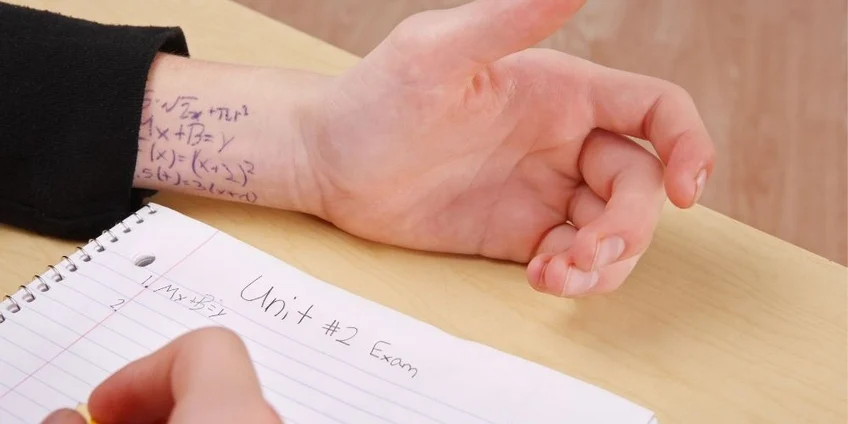
Students cheat in academic assignments due to a range of factors. Some of them are even aware that it is wrong, but still end up making the mistake of risking their academic integrity. Let’s take a look at the most common reasons why students fall into this unethical trap.
1. Pressure to Achieve High Grades
One of the biggest reasons students cheat is academic pressure. Parents and teachers expect students to perform at their best and achieve the highest GPA.
At this point, students consider cheating the only solution to meet these expectations and improve their academic performance. This is where they state prioritising results over proper learning!
2. Poor Time Management
Procrastination is a major contributor to cheating! When deadlines pile up and time runs out, students start to panic and resort to copying or outsourcing their work. This seems to be the only solution in those desperate times!
The most common time-related issues include:
- Leaving assignments until the last minute
- Underestimating task complexity
- Juggling multiple responsibilities (work, family, studies)
3. Lack of Understanding
Sometimes, the fear of getting judged and feeling embarrassed surrounds a student. They cheat simply because they don’t understand what is being taught in the class.
This is especially common while dealing with:
- Technical subjects
- Complex research assignments
- Language-heavy coursework
However, a comprehensive knowledge of the subject matter is necessary, as it helps during the online exams as well!
4. Easy Access to Online Content
The internet has made information incredibly accessible. Now, students can easily find chunks of information online for learning purposes. However, this has also made cheating easier.
Students can quickly:
- Copy-paste answers
- Download ready-made assignments
- Come into the trap of unreliable essay writing services
This convenience often blurs the line between research and plagiarism.
5. Fear of Failure
Fear is one of the most powerful motivators that encourages students to cheat. Students who are afraid of failing a course or disappointing others often justify cheating as the right practice to defend themselves.
This mindset pushes students to cross boundaries and ruin their years of hard work and their opportunities to gather knowledge. Most of the students fall into:
- Risk-taking behaviour regarding reputation
- Rationalising dishonesty
- State of neglecting long-term consequences
6. Lack of Interest in the Subject
When students find a subject boring or irrelevant, they avoid investing time and effort into creating assignments.
Here is what happens:
- They copy work from peers
- Paste generic online answers
- Submit a low-effort or plagiarised work
This is extremely common, and an effective solution is to work with a professional assignment tutor.
7. Peer Pressure
Cheating has been normalised in most of the academic settings. The “Everyone else is doing it” mindset encourages students to become a part of something extremely wrong!
Moreover, some of them even start assuming that they will fall behind or will be considered as less cool if they don’t participate in these practices. This creates a cycle where dishonesty spreads easily.
8. Unclear Academic Guidelines
Cheating isn’t always intentional. Some students cheat unintentionally because they don’t fully understand what counts as plagiarism or academic misconduct.
The most common examples of unintentional cheating found in assignments are improper citations, paraphrasing without credit, and the reuse of one’s own past work.
These mistakes usually happen when students are not provided with proper guidelines.
9. Overloaded Academic Schedules
Many students juggle multiple assignments, exams, and extracurricular activities at once. When the workload becomes overwhelming, they require assignment help, and cheating often turns into the only quick solution available.
10. Lack of Confidence
Students who doubt their abilities start believing that they are incapable of producing good work. This lack of self-confidence is the main factor that pushes them toward dishonest methods.
What Are The Consequences of Cheating?
Cheating has a wide range of consequences. From impacting the academic performance to putting a student’s reputation at stake, cheating can negatively impact each aspect of a student’s life.
Let’s take a detailed look at what actually happens:
Academic And Institutional Penalties
- Courses are instantly failed
- Assignments are rejected
- Students receive academic probation or suspension
- A black mark is placed on the academic records
- Students lose scholarships and assistantships
Personal Consequences
- Incompetence in professional roles due to a lack of knowledge
- Damaged reputation, difficulty in obtaining academic recommendations
- Loss of confidence among faculty and peers
- A sense of guilt and constant stress due to breaking ethical standards
Moreover, the long-term impacts, such as poor professional ethics and a lack of critical thinking skills, make it extremely difficult for students to become the professionals they have always dreamt of becoming.
How to Avoid Cheating in Assignments?
The reasons behind cheating are unlimited, but so are the solutions. Here are practical strategies students can use to stay honest and succeed academically.
1. Improve Time Management Skills
Start by organising your schedule effectively. Aim to break assignments into smaller tasks, set realistic deadlines, and use planners or digital tools for convenience.
An expert tip is to start early to avoid last-minute stress!
2. Understand the Assignment Requirements
Before you begin, you should have a clear understanding of what’s required in the assignments. So make sure to read instructions carefully or seek professional university assignment help from a reputable service provider.
This approach reduces confusion and prevents mistakes.
3. Develop Strong Study Habits
Consistent study habits reduce the temptation to cheat. It encourages you to bring out your true potential and the hard work you have put in while studying.
Make sure to:
- Review material regularly
- Take notes in your own words
- Practice active learning techniques
The more you understand, the less you’ll need shortcuts.
4. Learn Proper Citation Techniques
Knowing how to cite sources correctly is crucial. It helps you give due credit and verifies your research. Make sure to use citation styles like APA, MLA, or Harvard and credit all sources of information!
The use of plagiarism checkers before submission helps you avoid accidental plagiarism as well!
5. Seek Help When Needed
Don’t hesitate to ask for support. Some guidance can help you perform a lot better and submit original work! Always talk to your teacher or professor regarding it, as asking for help is a sign of strength, not weakness.
6. Limit Distractions
Create a focused study environment. Here is what you need to do:
- Turn off social media notifications
- Study in a quiet space
- Use productivity tools like timers
Better focus eventually leads to better work!
7. Build Confidence in Your Abilities
Believe in your ability to succeed. You don’t need anyone else to complete your work for you!
Experts at assignment ace suggest starting with small tasks, celebrating progress, and avoiding comparing yourself to others.
Confidence reduces the urge to rely on dishonest methods.
8. Use Technology Ethically
Technology can be helpful if used the right way!
Remember to:
- Use research tools responsibly
- Avoid copying content directly
- Understand your institution’s policies on AI tools
Always prioritise learning over shortcuts. This makes your work easier in the long run.
9. Set Personal Academic Goals
Instead of focusing only on grades, aim for:
- Skill development
- Knowledge growth
- Personal improvement
This mindset shift reduces the pressure to cheat.
10. Understand the Value of Integrity
Academic honesty builds character and prepares you for real-world challenges.
Remember that your education is an investment in yourself, and skills matter more than grades!
FAQs
1) How do teachers and universities detect cheating in assignments today?
Teachers and universities detect cheating through a combination of AI detection software, plagiarism checkers, and behavioural analysis. They analyse revision histories to detect copy-paste practices or sudden changes in writing style.
2) How has online learning changed the way students cheat?
Online learning has significantly increased cheating rates due to greater accessibility of digital resources and reduced supervision. Students can instantly search for answers, share files, and use unauthorised tools during assessments, which pose significant risks to academic integrity.
3) How can students stay motivated to complete assignments without cheating?
Staying motivated requires a shift in mindset from just finishing the work to actually learning through the process. Setting realistic goals, breaking tasks into smaller steps, and rewarding progress can make assignments more manageable!
Final Thoughts
Avoiding cheating isn’t just about following rules; it’s about building confidence, developing skills, and valuing your own growth. When students shift their focus from performance to learning, the need to cheat naturally disappears. Remember, cheating in assignments isn’t done on purpose. It is often a symptom of deeper issues, pressure, fear, lack of understanding, or poor time management. Be honest and aim for continuous improvement, and you are all set to witness success coming your way!